Master Your Money Through Strategic Cuts
Learn practical techniques to reduce expenses without sacrificing quality of life. Real strategies that work for Australian households facing rising costs in 2025.
Most Budget Advice Misses the Point
You've heard "skip the coffee" a thousand times. But your actual expenses? Rent went up 18%, groceries are unpredictable, and energy bills doubled.

What Actually Drains Your Account
- Subscription services you forgot existed — averaging $847 annually per Australian household
- Banking fees that compound quietly — up to $340 yearly for typical account structures
- Insurance policies renewed automatically without comparison shopping
- Energy plans that haven't been reviewed since you moved in
- Grocery shopping without meal planning costing 40% more than structured approaches
The Surgical Approach to Budget Cuts
We don't teach deprivation. We teach precision. Each expense category gets analyzed differently because they behave differently. What works for reducing transport costs won't work for food expenses.
Fixed Expense Negotiation
Rent, insurance, utilities — these feel immovable but they're not. Learn the communication frameworks that work with landlords and providers. Actual scripts from successful negotiations included.
Variable Spend Architecture
Groceries, entertainment, personal care — these fluctuate. Instead of arbitrary limits, build systems that naturally guide spending lower without constant willpower.
Hidden Cost Excavation
Bank fees, unused subscriptions, inefficient service plans — most people leak $200+ monthly here. We'll show you where to look and exactly how to plug each gap.
How the Program Actually Works
This isn't a lecture series. It's a structured transformation over twelve weeks. You'll implement changes week by week, see results accumulate, and adjust based on what your numbers tell you.
Weeks 1-3: Financial Archaeology
Before cutting anything, you need to know where money actually goes. We'll set up tracking systems that capture reality — not what you think you spend, but what bank statements prove. This phase reveals patterns most people never notice.
Weeks 4-6: Quick Win Implementation
Armed with real data, we target the easiest savings first. Subscription audits, provider switches, fee eliminations. Students typically recover $150-300 monthly in this phase alone. These wins build momentum.
Weeks 7-9: System Building
Now we architect the long-term structures. Automated savings transfers, spending guardrails, value-based frameworks for purchase decisions. These systems persist long after the program ends.
Weeks 10-12: Optimization and Planning
Final phase refines everything. You'll stress-test your new budget against irregular expenses, build emergency buffers, and map out larger financial goals now that monthly pressure has eased.


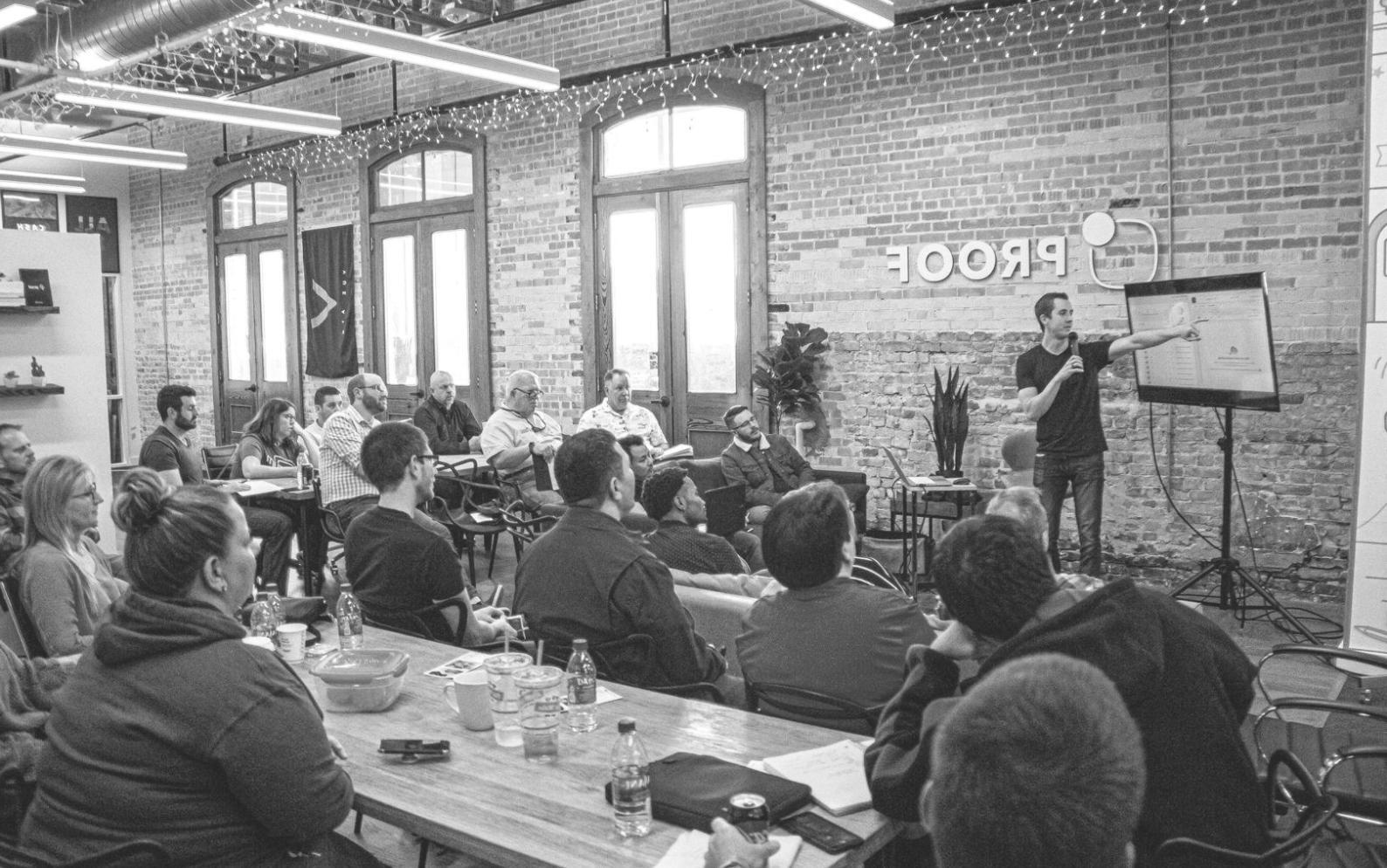
Everything You Need to Take Control
Access includes video modules, downloadable spreadsheets, negotiation templates, and decision frameworks. But more importantly — a private community where you'll compare notes with others navigating the same challenges.
You'll also get monthly group coaching calls where we troubleshoot specific situations. Someone always has the exact problem you're facing.
View All MaterialsWho This Actually Helps
This program suits Australians earning between $45,000 and $95,000 annually who feel financially squeezed despite stable income. You're not irresponsible — costs just rose faster than wages.
Young professionals establishing financial independence for the first time
Families where both partners work but savings still seem impossible
Anyone recovering from financial setbacks who needs a fresh foundation
People tired of generic advice that ignores Australian cost realities

What Changes Look Like
We track outcomes carefully. Not everyone achieves the same results — your starting point matters. But here's what typical students experience after completing the twelve weeks.
Average Monthly Savings Identified
Subscriptions Cancelled Per Student
Report Reduced Financial Stress
Start Building Better Financial Habits
Next cohort begins June 2025. Limited to 40 participants to maintain community quality and ensure individual attention during coaching calls.
Get Program Details